
Chromatic Reflex: Dot Alignment
Reviews
Chromatic Reflex: Dot Alignment offers a straightforward yet addictive experience. The core mechanic of aligning your dot with falling colors is easy to learn, but the escalating speed provides a genuine challenge. The streak multiplier adds a satisfying layer of strategy, rewarding consistent play. Its simple visuals and short session length make it perfect for quick gaming breaks. The optional leaderboard adds a competitive edge for those seeking to improve their high score. It's a well-executed example of the hyper-casual genre.
About this game
Core Gameplay Loop
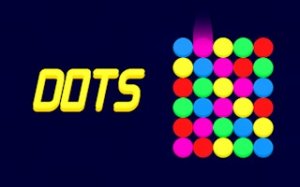
In Chromatic Reflex: Dot Alignment, the primary action involves moving a single dot horizontally along the lower edge of the playing area. Colored dots descend from the top in a continuous stream. The player's task is to position their dot directly beneath a falling dot that shares its color. When a correct alignment occurs, both dots vanish and points are added to the total. The game's challenge comes from the increasing speed of falling dots, which demands quicker visual processing and more precise movements.
Visual Design and Accessibility
The game presents a clean, vibrant color palette that is easy on the eyes, making it suitable for extended play sessions. Its simple visual style ensures that players of all ages can quickly understand the objective. The interface is uncluttered, with the focus remaining on the falling dots and the player's dot. This straightforward design helps maintain concentration during fast-paced gameplay.
Scoring and Streak System
Points are awarded for each successful color match. The game includes a streak multiplier that activates after a series of consecutive correct alignments. Maintaining a long streak significantly boosts the score, rewarding consistent focus and accuracy. If a falling dot reaches the bottom without being matched, the player may lose a life or the session may end, depending on the selected mode. This mechanic encourages players to avoid mistakes and strive for perfect runs.
Progression and Difficulty
As the player accumulates more points, the game gradually increases the descent speed of the dots. This escalation tests the player's ability to maintain calm under pressure. The difficulty curve is designed to feel natural, starting at a manageable pace and slowly ramping up to challenge even experienced players. This progression loop encourages repeated attempts to beat personal high scores.
Competitive Elements
Some versions of the game may include a global leaderboard where players can compare their highest scores with others. This feature adds a competitive layer, motivating players to improve their performance. The leaderboard can be a source of long-term engagement, as players strive to climb the rankings. This element is common in hyper-casual arcade games and enhances replay value.
Session Design
Chromatic Reflex: Dot Alignment is designed for short, focused play sessions. Each round can be completed in a few minutes, making it ideal for quick breaks or casual gaming on mobile devices. The simple controls and immediate feedback allow players to jump in and start playing without lengthy tutorials. This pick-up-and-play nature is a hallmark of the hyper-casual genre.









Comments
0 comments