

Luminara: The Lantern Puzzle
Reviews
Luminara: The Lantern Puzzle stands out for its thoughtful design and peaceful tone. The puzzles are challenging without being frustrating, and the gradual difficulty curve keeps players engaged. The hand-drawn visuals are charming, and the soundtrack enhances focus. It is a rare game that entertains while building problem-solving skills. Ideal for families seeking a safe, educational gaming experience.
About this game
Core Puzzle Design
Luminara: The Lantern Puzzle centers on manipulating light to overcome obstacles. Players direct a beam of illumination to reveal hidden routes, activate mechanisms, and clear darkened areas. The puzzles are built around reflection and timing, not speed. Each stage presents a unique arrangement of mirrors, prisms, and light-sensitive objects that must be aligned to progress. There is no combat or time pressure, allowing players to think at their own pace.
Visual and Audio Atmosphere
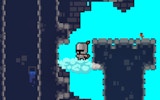
The game uses hand-drawn artwork with warm, saturated colors that create a welcoming mood. Backgrounds shift from cozy indoor scenes to open outdoor landscapes, each with its own color palette. The soundtrack features soft instrumental pieces that adapt to the environment. Sound effects are subtle, reinforcing actions like activating a switch or collecting a light orb without being distracting. This design keeps the experience calm and focused.
Progression and Difficulty Curve
Early levels introduce basic light manipulation, such as directing a beam to open a gate. Later stages require combining multiple light sources, splitting beams, and coordinating movements across the screen. The difficulty increases gradually, with each new concept explained through the environment rather than text. Players who take time to observe patterns and experiment with different angles will find consistent progress. The game rewards careful planning over quick reactions.
Educational Value for Young Players
Luminara: The Lantern Puzzle encourages logical reasoning and spatial awareness. Solving each puzzle involves understanding cause and effect, as well as planning a sequence of actions. The game presents problems that require trial and error, teaching persistence and adaptability. There are no violent or frightening elements, making it suitable for children as young as six. Parents can feel confident letting kids play independently.
Family Play and Accessibility
Controls are simple: tap or click to move the guardian and interact with objects. This makes the game accessible to players with limited gaming experience. The lack of text-heavy instructions means non-readers can also participate. Families can play together, discussing strategies and solving puzzles collaboratively. The game does not require an internet connection, so it works well for travel or offline play.








Comments
0 comments