
Fruit Companion Quick Reflex Arena
Reviews
Fruit Companion Quick Reflex Arena stands out for its thoughtful design. The slow-motion mechanic transforms frantic moments into strategic puzzles, and the bright visuals keep the tone light. Levels gradually increase in complexity, ensuring a satisfying challenge without frustration. The scoring system gives purpose to replaying stages, and the absence of graphic content makes it a safe pick for younger players. It is a polished example of how arcade action can be both accessible and engaging.
About this game
Core Gameplay Loop
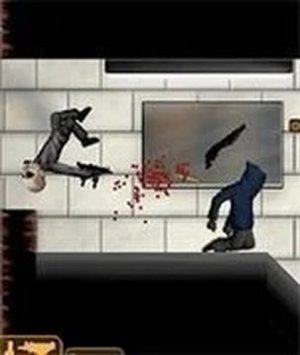
Each room presents a fresh set of obstacles and targets. Your goal is to clear the area by using a mix of jumps, slides, and object interactions. The talking fruit companion offers guidance, but the real challenge lies in mastering the timing of your moves. A slow-motion mode activates when you need extra time to aim or dodge, turning hectic moments into opportunities for careful planning.
Movement and Environment
The game encourages creative movement through its levels. Walls can be used for jumping, floors for sliding, and various objects can be kicked or thrown. The environments are designed with bright colors and simple shapes, keeping the focus on action without visual clutter. Each stage introduces new layout patterns that require you to adapt your approach.
Scoring and Replay Value
Performance is tracked through a scoring system that rewards style and efficiency. Chaining together smooth moves without stopping earns bonus points. This encourages replaying levels to improve your score and find faster routes. The game does not rely on graphic content, making it appropriate for a wide audience.
Learning Curve and Difficulty
Early rooms teach basic controls and the slow-motion mechanic. Later stages introduce more complex enemy patterns and environmental hazards. The difficulty ramps up gradually, giving players time to build reflexes. There is no penalty for failure beyond restarting a room, which keeps the experience low-pressure and encouraging.







Comments
0 comments