
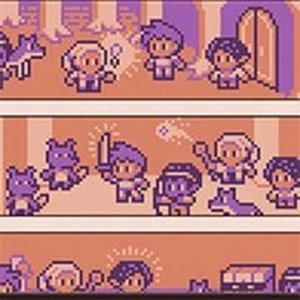
Enchanted Caverns Logic Quest
Reviews
Enchanted Caverns Logic Quest stands out for its unique approach to storytelling. Instead of guiding a character through a dungeon, you watch recorded scenes and piece together what truly happened. The pixel art is atmospheric without being distracting, and the music subtly reinforces key moments. The game respects your intelligence by never giving obvious hints, yet it remains fair because you can revisit any scene. The main mystery is well-constructed, and the satisfaction of solving it is genuine. This is an excellent choice for players who enjoy narrative puzzles and want a calm, focused experience.
About this game
Narrative Structure
The story unfolds through the perspectives of several adventurers who explored a dungeon before the main events. Instead of controlling a character directly, you watch recorded magical scenes that show what each adventurer experienced. These scenes are not in chronological order, and the same event may appear differently depending on who witnessed it. The game challenges you to compare these viewpoints and identify where they agree or contradict each other. This structure rewards careful attention to dialogue and visual details.
Deduction Mechanics
Your primary task is to identify key elements within each scene: names of people, names of places, and significant objects. Once you collect enough of these elements, the game allows you to connect them in a timeline or relationship diagram. The interface is minimal, showing only the scenes and a simple note-taking area. There are no traditional puzzles like sliding tiles or matching shapes. Instead, the challenge comes from deciding which pieces of information are relevant and how they fit together.
Visual and Audio Design
The pixel art style uses a limited color palette to create an atmospheric, slightly mysterious tone. Each scene is carefully composed to hint at details without making them obvious. Background music is subtle and changes only when you make a correct connection, providing a gentle reward. The overall presentation is designed to keep you focused on the story rather than flashy effects. This approach suits the game's emphasis on patience and reflection.
Progression and Rewards
Progress is measured by how many pieces of the puzzle you correctly assemble. The game does not use a points system or time limit. Each correct deduction unlocks a new scene or reveals a hidden connection between existing scenes. The satisfaction comes from gradually seeing the full picture emerge. The game respects your time by allowing you to replay any scene at any moment, so you can check your theories without penalty.
Comparison to Similar Works
Fans of narrative puzzle games that prioritize story over action will find familiar elements here. The approach of watching recorded events and piecing together timelines has been used in other well-regarded games. However, this title distinguishes itself by focusing exclusively on a single mystery and by using a fantasy setting. The magic system is not explained in detail; it simply serves as a plausible reason for why scenes can be replayed and examined.








Comments
0 comments