
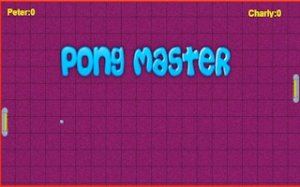
Paddle Ace: Ping Pong Challenge
Reviews
Paddle Ace: Ping Pong Challenge delivers a focused sports experience without unnecessary complexity. The controls are immediate and accurate, letting players concentrate on reading the ball and placing shots. The AI adapts naturally to performance, keeping matches engaging without feeling unfair. Visual clarity and responsive audio enhance the sense of presence on the virtual table. For anyone seeking a straightforward yet satisfying ping pong game, this title offers consistent quality across every rally.
About this game
Core Gameplay Loop
Paddle Ace: Ping Pong Challenge focuses on the fundamental exchange between two players. Each rally begins with a serve, and the receiving player must read the ball's trajectory to return it effectively. Success depends on positioning the paddle correctly and choosing the right moment to strike. The ball responds to the angle of the paddle, allowing for subtle variations in spin and speed. Matches progress quickly, with each point earned through clean shots that the opponent cannot reach.
Control Scheme & Responsiveness
The game uses a straightforward control method: move the mouse or slide a finger on a touchscreen to guide the paddle across the table. There are no complex button combinations or power meters to manage. This simplicity means new players can start a match within seconds. However, experienced players will find that small adjustments in paddle angle and timing create meaningful differences in shot outcomes. The game registers input with low latency, making the connection between player action and on-screen result feel direct.
Match Flow & Difficulty Curve
Matches in Paddle Ace follow a standard scoring system where the first to reach a set number of points wins. As players win consecutive points, the opposing AI adjusts its play style, becoming more aggressive or defensive depending on the situation. This dynamic keeps each match from feeling repetitive. Beginners can expect to win early points by focusing on consistent returns, while more advanced players will need to vary shot placement to break through the opponent's defenses. The game does not rely on arbitrary difficulty spikes; instead, it rewards players who learn to anticipate the ball's path.
Visual Design & Feedback
The visual presentation is clean and uncluttered. The table, ball, and paddles are rendered with clear outlines and solid colors, making it easy to track the ball's movement even during fast rallies. Visual cues such as a slight trail on the ball or a subtle camera angle change help players judge depth and speed. Sound effects accompany each paddle strike, providing audio feedback that reinforces the timing of hits. This combination of clear visuals and responsive audio helps players stay focused on the action without distraction.






Comments
0 comments